The ban covers every kind of Canadian drink, but it does not land evenly. Spirits carried most of the trade, icewine most of the wine trade, one brewery most of the beer. Here is what each sent south and who is left holding it.
The whole trade, in three numbers
Canada sent C$1.4 billion of alcohol to the United States in the year to March 2025, by Statistics Canada’s count.1 On the American side, the US imported US$854 million of Canadian alcohol in 2025, which the Globe and Mail calculates is 87.6% of the value of everything the September 29 bans cover.2 By drink, US Census Bureau data reported by CBC:3
Drink
US imports from Canada, 2025
Can it still cross?
Spirits, including whisky
US$673 million
Bottled: no. Bulk whisky and liqueurs over 4 litres: yes, duty-free. Other bulk spirits: yes, at 50%.
Wine, including icewine
US$62.1 million
Bottles up to 4 litres: no. Larger bulk containers: yes, at 50%.
Beer
US$19.2 million
Bottles, cans and kegs: no. Bulk: yes, at 50%, rarely practical.
This is where the ban bites. Spirits Canada says about half of what Canadian distillers make is shipped to the United States, and that 93% of Canada’s spirits exports went there last year; its statement warns of limited ability to replace lost U.S. demand in the near term.7
Whisky and liqueurs have an exit the others lack. In containers over 4 litres they came off the 50% list on September 15 and are not in the ban. By Census figures reported in the Globe, bulk was the small part of the trade in 2025: about US$43 million of whisky against US$168 million in bottles, and US$3 million of liqueurs against US$384 million.6,2 A large brand with a bottling plant in the United States can switch; Crown Royal already bottles its American whisky in Illinois.8 A trade lawyer told CBC that leaves the smaller, more independent shops that are more dependent on U.S. trade to feel it most.3
Two of them, on the record: Maverick Distillery sent 20 to 25% of its product to the United States and expects a year or two or three to make it up.7 Sons of Vancouver shipped a few pallets of wheated rye south each year, under 10% of its business.3
Wine and icewine
Canadian wine is mostly drunk in Canada; exports to the US were about C$8.3 million in 2025 by Wine Growers Canada’s count, 57% of it icewine.9 Its president puts it plainly: Sixty per cent of all exports to the U.S. are icewine, so it is a very important market, and 90% of the wine shipped south comes from Ontario.10 (US Census counts US$62.1 million of wine from Canada for the same year; the two measures differ.)3
For many estates the 50% already did the damage. There’s no product in the world that could compete in a marketplace with a tariff that high, said the viticulture director at Pillitteri Estates in Niagara-on-the-Lake, which shipped its icewine four months early to beat the ban.11 In the Okanagan, Lightning Rock Winery expects to lose the roughly 500 cases a year it sold in the United States.12
Beer
Beer is the most domestic of Canadian drinks: 88.7% of the beer sold in Canada is Canadian.1 Sales to the US were about C$28 million last year, most of them by Moosehead, the New Brunswick brewer, for whom the US is 15% of volume.2 Beer has no practical bulk route; the ban covers the bottles, cans and kegs people buy, and Moosehead paid rush fees to get its last shipments across.13 A craft brewery that sold a few kegs over the border has lost that, and little else.
Cider, mead and fruit wine
These sit under heading 2206: cider, sparkling fruit wine, and the annex’s catch-all for fermented beverages (other than grape wine, beer, cider, prune wine, sake, vermouth or other effervescent wines), where mead and still fruit wines fall. All are banned when packaged.4 No one publishes export figures for them. What is known is that the makers are many and small: Cider Canada counts more than 400 cider producers, and cider was the one drink category whose Canadian sales grew in the year to March 2025.14,1
Maple, for the record
Maple syrup is on none of the Section 338 lists. A maple spirit, a maple liqueur or a maple wine is alcohol, and is covered like any other.15,4
Who is exposed, in one line
A Canadian maker who bottles in Canada and sold part of it in the United States: a craft distiller, an icewine estate, a cidery with an American importer. The large brands with bulk routes and American bottling are the least exposed. For the small ones, the Canadian market is the one they still have.
Where to find them
The directory’s Alcohol section lists Canadian makers by drink: whisky, other spirits, wine, icewine, beer, cider, mead and fruit wine. Rules on shipping alcohol direct to consumers differ by province, so a maker in another province may not be able to ship to you; check your own province’s rules, or look for the bottle at your liquor store.
Support Our Makers
Canadian makers, still pouring
The American market closed to them on September 29. Buying from them in Canada is the one door still open. Provincial rules on shipping alcohol to your door vary, so check your own.
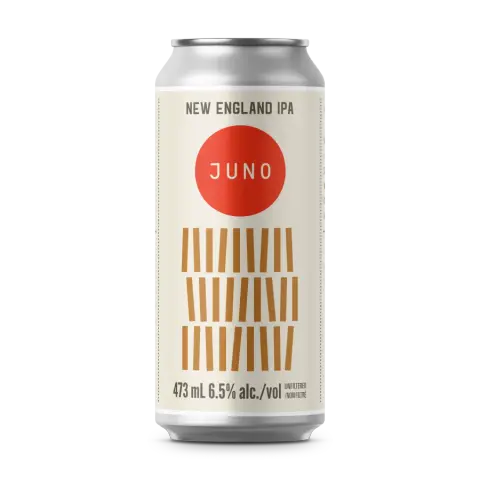
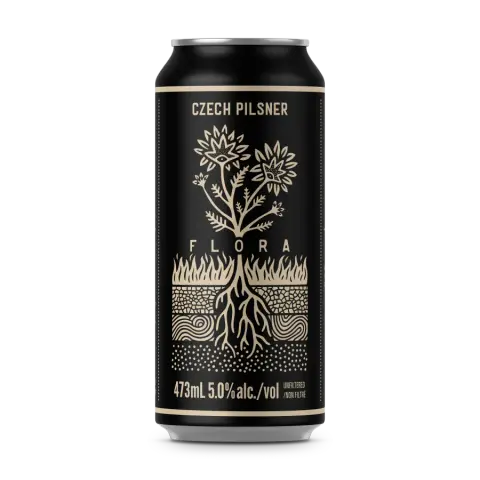
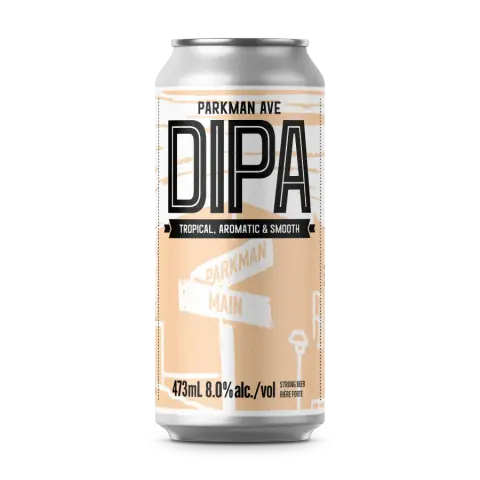
A Montague brewery, kitchen and taproom brewing Parkman Ave and Juno IPAs, Broadside APA, Flora Czech pilsner made with PEI floor-malt, Ken's Stout, Rabble Rouser Red, Centennial Stock blonde and a wild blueberry sour, in cans and kegs, with private-label runs for weddings and events.
Can no longer ship to the US since Sep 29, 2026HTS 2203.00.00 · Beer made from malt · 50% since Aug 22, 2026
Copper Bottom Brewing's packaged beer (HTS 2203.00.00, "Beer made from malt") can no longer ship to the US: the US import ban on listed Canadian alcohol took effect September 29, 2026, after a 50% Section 338 duty that applied from August 22, 2026. We found no public statement from the maker about US sales. · whitehouse.gov, Sep 8, 2026
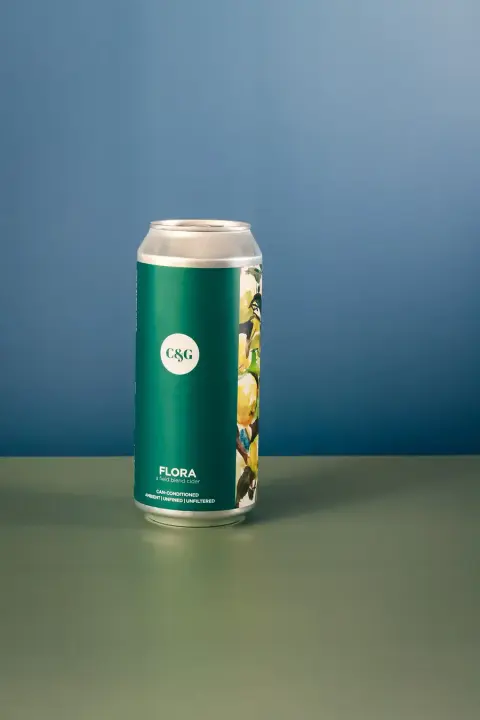
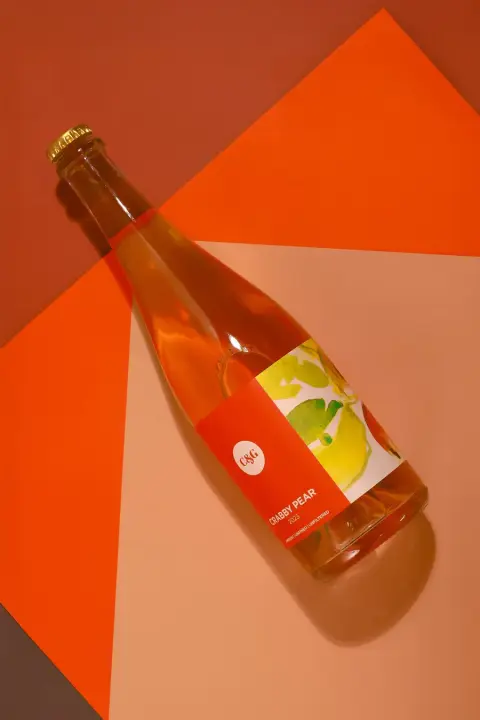
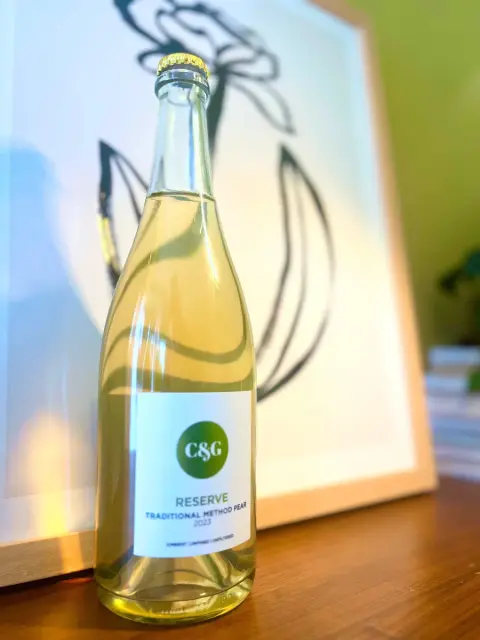
Creek & Gully makes wild-fermented, unfined and unfiltered ciders from its own organic fruit, including Flora, a blend of every apple variety the cidery gets in a vintage, Crabby-Pear (Bartlett pear and Hyslop crabapple), Pink Lady, a Reserve Traditional Method cider from Bulmer's Norman, Michelin and Dabinett apples, and a 100% pear Reserve Traditional Method, in cans and bottles.
Can no longer ship to the US since Sep 29, 2026HTS 2206.00.15 · Cider, fermented, whether still or sparkling · 50% since Aug 22, 2026
Creek & Gully's packaged cider (HTS 2206.00.15, "Cider, fermented, whether still or sparkling") can no longer ship to the US: the US import ban on listed Canadian alcohol took effect September 29, 2026, after a 50% Section 338 duty from August 22, 2026. Its perry (100% pear) sits on the same line. · whitehouse.gov, Sep 8, 2026
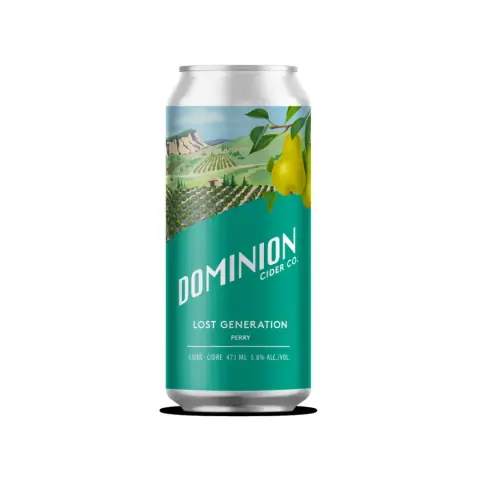
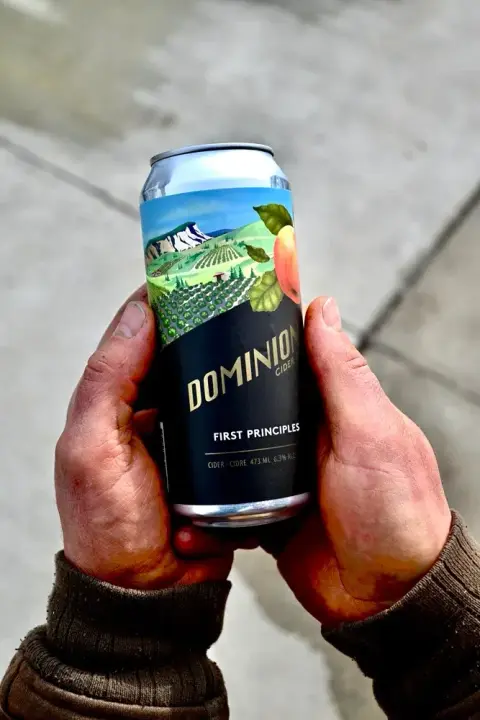
Dominion makes wild-fermented, small-batch ciders in 473 ml cans, among them First Principles, a very dry cider from estate-grown English and French cider apples, Lost Generation, a dry perry from Summerland pears, and fruit ciders like Halcyon Days and Nom de Plume, plus experimental 750 ml bottles and kegs for bars.
Can no longer ship to the US since Sep 29, 2026HTS 2206.00.15 · Cider, fermented, whether still or sparkling · 50% since Aug 22, 2026
Dominion's packaged cider (HTS 2206.00.15, "Cider, fermented, whether still or sparkling") can no longer ship to the US: the US import ban on listed Canadian alcohol took effect September 29, 2026, after a 50% Section 338 duty from August 22, 2026. Its Lost Generation perry sits on the same line. · whitehouse.gov, Sep 8, 2026
1.Control and sale of alcoholic beverages and cannabis, year ending March 31, 2025 · Statistics Canada, The Daily, Mar 5, 2026In 2024/2025, Canada imported $1.0 billion of alcoholic beverages from the United States, down 5.4% from the previous fiscal year. During the same period, exports to the United States totalled $1.4 billion, up 4.1% year over year. · read 2026-09-29
2.Canadian alcohol producers face a U.S. ban, but some shipments can still cross the border · The Globe and Mail, Sep 9, 2026 · NewsWhisky shipments in containers of four litres or less accounted for roughly US$168-million in trade from Canada in 2025, compared with about US$43-million for whisky in containers larger than four litres, according to U.S. Census Bureau data. · read 2026-09-29
3.U.S. bans on Canadian booze hit producers on one of trade war's thorniest fronts · CBC News (Abby Hughes), Sep 29, 2026 · NewsThe U.S. imported $673 million US worth of spirits from Canada in 2025, compared to $62.1 million US worth of wine and just $19.2 million US worth of beer that same year, according to trade data from the U.S. Census Bureau. · read 2026-09-29
7.Trump says Canada 'entitled' as his trade ban on alcohol, other goods nears · Global News (Ariel Rabinovitch), Sep 28, 2026 · NewsSpirits Canada said about half of the nearly $2 billion in product its industry produces annually is shipped to the U.S., and last year, 93 per cent of all exported spirits was headed to the U.S. · read 2026-09-29
8.Canadian import ban won't immediately hit Vermont liquor supply · WCAX (Calvin Cutler), Sep 29, 2026 · NewsKnight said liquor products that are transported in bulk from Canada to be bottled in the U.S. are exempt from the ban. That includes Crown Royal, which has a bottling plant in Illinois. · read 2026-09-29
9.New U.S. bans to take effect Tuesday: Here's what's affected · Global News (Sean Previl), Sep 27, 2026 · NewsWine Growers of Canada previously told Global News about $8.3 million of wine was exported to the U.S. in 2025, 57 per cent of which was represented by ice wine alone. · read 2026-09-29
13.Trump just banned Canadian booze, but there's a big catch · CNN (Elisabeth Buchwald, Matt Egan), Sep 29, 2026 · NewsFor instance, whisky and liqueurs, two of Canada's top alcoholic beverage exports to the US, are exempt from the ban when sold in containers larger than four liters. In those cases, they also won't face any tariffs. · read 2026-09-29
14.Cider Canada · Cider Canada / Cidre Canada, 2026 · SecondaryCider Canada's national mapping work identifies more than 400 cider producers across Canada. · read 2026-09-29
Primary sources are the documents themselves: proclamations, orders, customs notices, statutes. Secondary sources are law-firm or encyclopedia summaries we used where the original could not be read directly.
Trade figures are in the currency and year stated beside each; Canadian and American counts measure different things and do not match. Last reviewed against the sources on 2026-09-09.