The White House says it is answering Canada. The provinces say they were answering the White House. Both can be read in their own documents, and the documents have dates. Here they are in order; the reader can judge where the clock starts.
March 2025: the shelves
On February 1, 2025 the President ordered a 25% duty on Canadian goods under emergency powers; after a month’s pause it took effect on March 4.1,2 That morning Ontario told the LCBO to stop buying and selling American alcohol:
the government of Ontario has directed LCBO to take operational steps to implement restrictions on all U.S. beverage alcohol sales and related imports into Ontario, effective immediately.3
Quebec’s SAQ removed American products the same day, and British Columbia ordered them off its shelves on March 10.4,5 Other provinces and territories followed.6,7 The LCBO alone had been selling nearly $1 billion a year of American wine, beer, cider, seltzers and spirits.8
A year of partial thaw, but not on the shelves
From March 7, 2025 the United States exempted goods that meet CUSMA rules from the emergency duty, and on September 1, 2025 Canada dropped its own counter-tariffs on American consumer goods, wine and spirits among them.9,10 The liquor-board removals were provincial, not federal, and most stayed. Alberta and Saskatchewan put American products back in June 2025, and Quebec sold off some expiring stock in February 2026 while keeping its import ban.7,11 On February 20, 2026 the Supreme Court struck down the emergency tariffs that had started it.12
July 20, 2026: the American finding
Proclamation 11046 sets out the White House’s case. Its facts:
Beginning in March 2025, all Canadian provinces and territories halted the purchase, distribution, or retailing of U.S. alcoholic beverages.7
Comparing the period from March 2025 through February 2026 to the same period in 2024–2025, Canadian imports of U.S. alcoholic beverages decreased by approximately 81 percent (from approximately $718 million to approximately $137 million).7
And the legal hook: Section 338 is about treating American goods worse than other countries’ goods, so the proclamation adds that imports from other countries rose by over $170 million over the same period,with imports into Canada from the European Union accounting for over $100 million of this increase.7 It concludes that Canada is discriminating in fact against the commerce of the United States and adds 50%.7
Canada’s own figures agree on the direction. Statistics Canada counted C$1.0 billion of American alcohol imported in the year to March 2025, down 5.4%, against C$1.4 billion of Canadian alcohol sent the other way.13
August 2026: nearly a deal
On August 18 the President suspended the duty for three days of talks.14 The next day Nova Scotia’s premier said the Prime Minister had asked the provinces to restock American alcohol as a deal was finalized.15 On August 21 the talks ended. The White House’s version, from the ban proclamation:
On August 21, 2026, Canada reneged on its commitment, ceased negotiating in good faith, and did not remove the discrimination or unreasonable and unequal imposition at issue in Proclamation 11046.16
The Prime Minister’s, the next day: the United States had proposed new terms that were uneconomic, unfair, and undermined the net benefits to Canada.17 The 50% took effect on August 22.18
August 27: Saskatchewan
Saskatchewan, one of the two provinces that had restocked, answered the duty with a levy of its own, and said so:
In response to the 50 per cent tariff on Canadian alcohol the United States of America (USA) enacted on August 22nd, Saskatchewan will reciprocate with a 50 per cent levy on USA alcohol imported into Saskatchewan, effective September 8th.19
American products stayed on the shelves; the premier called that a much stronger message than any government-ordered ban.20
September 8: the ban, and the reason it gives
Section 338 allows a ban only if a country maintained or increased its discrimination after the first proclamation.21 Proclamation 11061 finds that it did, and names Saskatchewan as its example:
on August 27, 2026, the Government of Saskatchewan … announced that it would impose an additional 50 percent levy on U.S. alcoholic beverages, effective September 8, 2026, expressly in response to the additional ad valorem duties imposed in Proclamation 11046.16
The White House fact sheet of the same day frames the whole package as an answer to Canada’s September 8 counter-tariffs.22 The ban began on September 29.23 In a statement as it neared, the office of Dominic LeBlanc, the minister for Canada-US trade, called the American measures unjustified actions.24
Every move, on two lanes
Answers links a move to the one its own document names as its reason
United StatesCanada
United StatesStruck down
Executive Order 14193 orders 25% duty on Canadian goods, 10% on energy
IEEPA executive order
Executive Order 14193 declared a national emergency over illicit drugs at the northern border and imposed an additional 25 percent duty on products of Canada and 10 percent on Canadian energy resources, to apply from 12:01 a.m. on February 4, 2025. The order stated that the President could raise or widen the duties if Canada retaliated. It was paused on February 3, 2025 and took effect on March 4, 2025.1,27,12,28
25% (10% on energy resources) · All products of Canada except those listed in section 2(b); energy resources at 10%
Should Canada retaliate against the United States in response to this action through import duties on United States exports to Canada or similar measures, the President may increase or expand in scope the duties imposed27
United StatesStruck down
25% IEEPA duty on Canadian goods takes effect
IEEPA executive order
The 25 percent duty on products of Canada and 10 percent duty on Canadian energy resources under Executive Order 14193 took effect at 12:01 a.m. on March 4, 2025. A March 2, 2025 amendment deferred the loss of de minimis treatment until the Commerce Secretary confirmed that collection systems were ready.29,2,1,12
25% (10% on energy resources) · All products of Canada except listed exceptions
CanadaIn force
Ontario, Quebec, BC and other provinces pull US alcohol from shelves
Provincial action
On March 4, 2025 the Ontario government directed the LCBO to stop selling and importing all US beverage alcohol (about 3,600 products, roughly C$1 billion in annual sales); the SAQ removed all US products at Quebec's request the same day; Nova Scotia and New Brunswick ordered removals by March 4. British Columbia halted imports of liquor from Republican-led states on March 4 and on March 10, 2025 ordered all US beer, wine and spirits off BCLIQUOR shelves. Ontario's and BC's removals remain in place as of September 2026; Quebec allowed a limited sell-off of expiring US products from February 12, 2026 while keeping its import ban.3,4,5,30,6,31,11
the government of Ontario has directed LCBO to take operational steps to implement restrictions on all U.S. beverage alcohol sales and related imports into Ontario, effective immediately.3
Executive Order 14231 exempts CUSMA-qualifying goods; potash cut to 10%
IEEPA executive order
Executive Order 14231 of March 6, 2025 provided that goods of Canada entered free of duty under general note 11 of the HTSUS (CUSMA-originating goods) are not subject to the Executive Order 14193 duties, and reduced the additional duty on non-qualifying potash from 25 percent to 10 percent. The changes applied from 12:01 a.m. on March 7, 2025.9,32
0% for CUSMA-qualifying goods; 10% potash; 25% otherwise · Products of Canada entered under HTSUS general note 11; potash
The additional rate of duty on potash that is not subject to subsection (a) of this section shall be reduced to 10 percent in lieu of 25 percent.9
CanadaRemoved
Most counter-tariffs removed; steel, aluminum and auto surtaxes stay
Order in Council: Order Amending and Repealing Certain Orders Made Under the Customs Tariff (United States Surtax), SOR/2025-181 (P.C. 2025-637)
Made August 29 and effective September 1, 2025, the order repealed the United States Surtax Order (2025-1) and struck the non-steel, non-aluminum goods from the Steel and Aluminum order, removing surtaxes on about C$44.7 billion of annual US imports including wine, spirits, appliances and apparel. The 25% surtaxes on US steel, aluminum and motor vehicles remained. The Gazette statement ties the removal to the US CUSMA-based exemption covering over 85% of Canadian exports and to consumer prices.10,33,34,35,36,37
The objective of repealing tariffs on certain consumer goods is to reaffirm the importance of CUSMA as a duty-free regime, to safeguard North America's integrated supply chains and industries, and to alleviate pressure on Canadian consumers of these imported U.S. goods.10
Quebec's SAQ sells off expiring US products; import ban stays
Provincial action
From February 12, 2026 the SAQ temporarily returned selected US products nearing expiry, mainly cream liqueurs, to shelves at a 15% markdown, with about C$9 million in proceeds to Quebec food banks. Quebec's ban on importing new US alcohol remained in effect.11,4
At the Quebec government's request, we are removing all U.S. products from our store shelves and from the SAQ.COM website starting today.4
United StatesIn force
Supreme Court holds IEEPA does not authorize tariffs, 6-3
Supreme Court opinion
In Learning Resources, Inc. v. Trump, No. 24-1287, decided with Trump v. V.O.S. Selections, Inc., No. 25-250, the Supreme Court held on February 20, 2026 that IEEPA does not authorize the President to impose tariffs. Chief Justice Roberts wrote for the Court, joined by Justices Sotomayor, Kagan, Gorsuch, Barrett and Jackson; Justice Kavanaugh dissented, joined by Justices Thomas and Alito, and Justice Thomas also dissented separately. The ruling covered the northern-border duties on Canada under Executive Order 14193 and the reciprocal tariffs under Executive Order 14257.12,38
n/a · All IEEPA tariffs, including the 25%/35% Canada duties and the reciprocal tariffs
Fulfilling that role, we hold that IEEPA does not authorize the President to impose tariffs.12
United StatesIn force
Proclamation 11046: 50% to offset provincial bans on US alcohol
Section 338 proclamation
Proclamation 11046 found that beginning in March 2025 all Canadian provinces and territories halted the purchase, distribution or retailing of U.S. alcoholic beverages, that only Alberta and Saskatchewan lifted their bans in June 2025, and that Canadian imports of U.S. alcoholic beverages fell about 81 percent (from about $718 million to about $137 million) between March 2025-February 2026 and the prior year. It imposed 50 percent on Canadian beer, wine, cider, spirits and other listed products (HTSUS heading 9903.03.12) from August 19, 2026, a start delayed three days to August 22 by Proclamation 11056.39,7,40,18
50% · Alcoholic beverages and other goods listed in Annex II to Proclamation 11046 (heading 9903.03.12)
Beginning in March 2025, all Canadian provinces and territories halted the purchase, distribution, or retailing of U.S. alcoholic beverages.7
Section 338 duties suspended three days; start moves to August 22
Section 338 proclamation
A proclamation of August 18, 2026 suspended the additional duties under Proclamations 11046, 11047 and 11048 for three days, citing negotiations in which Canada had expressed a commitment to remove the measures at issue. The duties were to apply from 12:01 a.m. on August 22, 2026 instead of August 19, 2026.14,41
0% during suspension · All goods subject to Proclamations 11046, 11047 and 11048
because of the status of these negotiations, the public interests favor suspending for a period of 3 days the additional duties14
CanadaSuperseded
PM asks provinces to restock US alcohol as a deal is finalized
Prime Minister's request to the premiers
During the three-day suspension of the Section 338 duties, Nova Scotia's premier said the Prime Minister had asked provinces to put American alcohol back on their shelves as Canada finalized a trade deal with the United States. Talks were suspended on August 21 and the 50 percent duty took effect on August 22.15
Nova Scotia Premier Tim Houston says Prime Minister Mark Carney has asked provinces to restock American alcohol on their shelves as Canada finalizes a trade deal with the U.S.15
Canada suspends trade talks; US 50% tariffs take effect Aug 22
Prime Minister's statement
After the United States postponed its Section 338 tariffs by three days on August 19, 2026 and the trade minister and the US Trade Representative announced a deal in principle, negotiators had until August 21 to complete documentation. On the evening of August 21 the Prime Minister suspended the talks, citing last-minute US changes to the terms, and the 50% tariffs took effect at 12:01 a.m. August 22, 2026. On August 22 he said Canada would match the tariffs dollar for dollar, with measures effective the Tuesday after Labour Day.17,42,43
the U.S. proposed new terms that were uneconomic, unfair, and undermined the net benefits to Canada.17
50% Section 338 duties take effect on 554 Canadian tariff lines
CBP rule
CBP guidance CSMS 69606660 of August 21, 2026 implemented the Section 338 duties from 12:01 a.m. on August 22, 2026 under HTSUS headings 9903.03.12 (alcohol group), 9903.03.13 (dairy group) and 9903.03.14 (motor vehicle group), each at 50 percent, with headings 9903.03.15 and 9903.03.16 at 0 percent for Section 232 goods, passenger vehicles and parts, wood products, semiconductors, pharmaceuticals and civil aircraft. Canada suspended trade negotiations on August 21, 2026 and announced counter-tariffs for September 8, 2026.18,44,45,46
50% · 554 chapter 1-97 HTS lines on the CBP list
Effective with respect to goods from Canada entered for consumption, or withdrawn from warehouse for consumption, on or after 12:01 a.m. eastern standard time on August 22, 202618
CanadaIn force
Saskatchewan puts a 50% levy on US alcohol from September 8
Government of Saskatchewan announcement (SLGA retailer ordering system)
Saskatchewan, which had returned US alcohol to its shelves in June 2025, announced a 50 percent levy on US-origin alcohol ordered by retailers through the Saskatchewan Liquor and Gaming Authority from September 8, 2026, in answer to the US duty of August 22. US products stayed on shelves. The US alcohol exclusion proclamation of September 8 names this levy as evidence that Canada maintained or increased its discrimination.19,20,16,39
50% · US-origin alcohol ordered by Saskatchewan retailers through SLGA.
In response to the 50 per cent tariff on Canadian alcohol the United States of America (USA) enacted on August 22nd, Saskatchewan will reciprocate with a 50 per cent levy on USA alcohol imported into Saskatchewan, effective September 8th.19
US orders import bans on listed Canadian goods from September 29, 2026
Three exclusion proclamations under Section 338(b) plus a scope-modification proclamation and a federal procurement directive (five proclamations of September 8, 2026)
On September 8, 2026, hours after Canada's counter-tariffs began, the President signed five proclamations. Three invoke Section 338(b) to exclude from importation, from 12:01 a.m. eastern September 29, 2026, listed Canadian alcoholic beverages, dairy and other products, and motor-vehicle-annex products now subject to the 50 per cent duty, on the finding that Canada 'reneged on its commitment' on August 21, 2026. A fourth modifies the motor vehicle annex from September 15, 2026, removing items such as rock salt and cement and adding all-terrain vehicles and additional dairy products. A fifth directs removal of Canadian-origin products from GSA procurement schedules covering about US$50 billion.47,48,16,49,22,23
Exclusion from importation (goods already imported before September 29 stay at 50 per cent) · Annex lists to the three exclusion proclamations
certain products of Canada, as set forth in the Annex to this proclamation, are excluded from importation into the United States, effective with respect to goods imported on or after 12:01 a.m. eastern time on September 29, 2026.47
From 12:01 a.m. eastern on September 29, 2026 the three exclusion proclamations bar the importation of the Canadian alcoholic beverages, dairy products and motor-vehicle-group products listed in their annexes, which until then carried the 50 percent duty. CBP rejects any entry containing covered goods, and covered goods may no longer enter a foreign trade zone, a bonded warehouse or in-bond transport. Goods imported before that time but not yet entered stay subject to the 50 percent duty. The alcohol annex lists 53 lines under headings 2203 to 2208; on 28 of them the ban reaches only bottles, cans, boxes, kegs and similar containers, so bulk shipments on those lines still enter at 50 percent. There is no CUSMA exemption.23,16,50,51,47,48,22
Import prohibition · Products listed in the annexes to the three exclusion proclamations
rather than remove Canada's discriminatory treatment of or unreasonable and unequal imposition on U.S. alcoholic beverages, Canadian authorities maintained the discrimination and announced additional retaliation16
It depends where you start the clock, which is the point of printing the dates. The liquor boards cleared their shelves on the day the first American tariff took effect, and said why. The White House says the shelves are the discrimination and the tariffs its answer. Saskatchewan’s levy names the American duty as its reason; the ban names Saskatchewan’s levy. The full timeline has every move in both directions since January 2025, and Canada’s tariffs on American goods quotes each Canadian order.
Support Our Makers
Canadian makers, still pouring
The American market closed to them on September 29. Buying from them in Canada is the one door still open. Provincial rules on shipping alcohol to your door vary, so check your own.
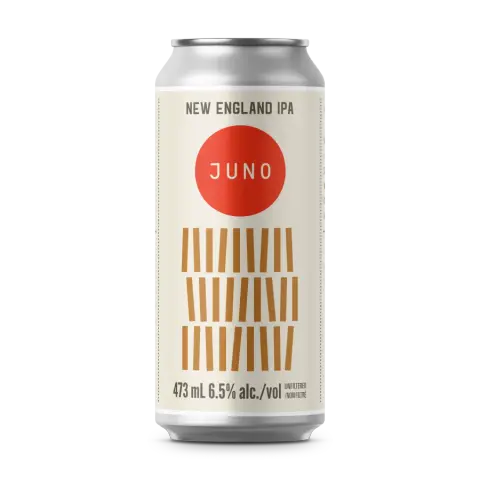
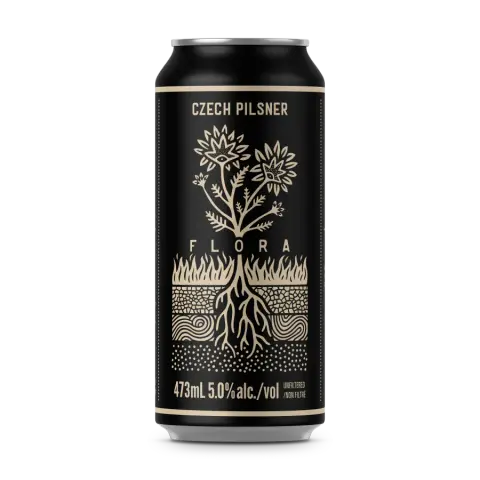
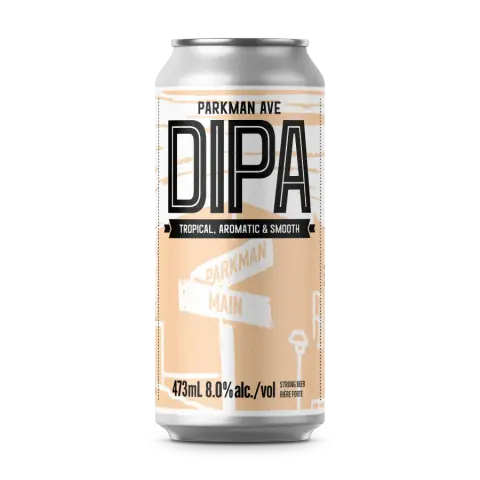
A Montague brewery, kitchen and taproom brewing Parkman Ave and Juno IPAs, Broadside APA, Flora Czech pilsner made with PEI floor-malt, Ken's Stout, Rabble Rouser Red, Centennial Stock blonde and a wild blueberry sour, in cans and kegs, with private-label runs for weddings and events.
Can no longer ship to the US since Sep 29, 2026HTS 2203.00.00 · Beer made from malt · 50% since Aug 22, 2026
Copper Bottom Brewing's packaged beer (HTS 2203.00.00, "Beer made from malt") can no longer ship to the US: the US import ban on listed Canadian alcohol took effect September 29, 2026, after a 50% Section 338 duty that applied from August 22, 2026. We found no public statement from the maker about US sales. · whitehouse.gov, Sep 8, 2026
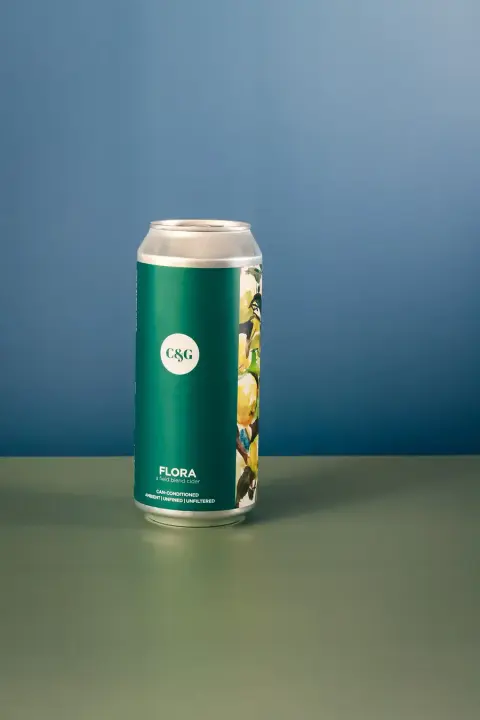
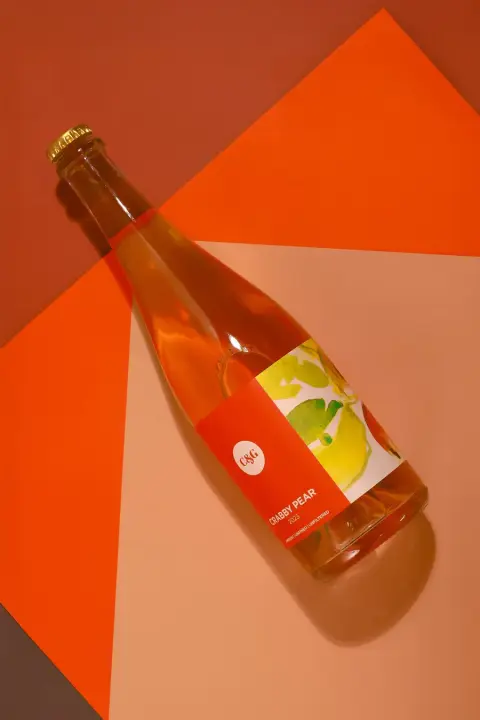
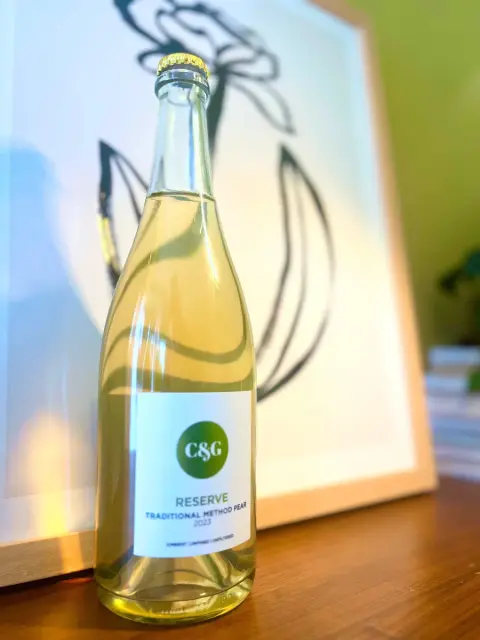
Creek & Gully makes wild-fermented, unfined and unfiltered ciders from its own organic fruit, including Flora, a blend of every apple variety the cidery gets in a vintage, Crabby-Pear (Bartlett pear and Hyslop crabapple), Pink Lady, a Reserve Traditional Method cider from Bulmer's Norman, Michelin and Dabinett apples, and a 100% pear Reserve Traditional Method, in cans and bottles.
Can no longer ship to the US since Sep 29, 2026HTS 2206.00.15 · Cider, fermented, whether still or sparkling · 50% since Aug 22, 2026
Creek & Gully's packaged cider (HTS 2206.00.15, "Cider, fermented, whether still or sparkling") can no longer ship to the US: the US import ban on listed Canadian alcohol took effect September 29, 2026, after a 50% Section 338 duty from August 22, 2026. Its perry (100% pear) sits on the same line. · whitehouse.gov, Sep 8, 2026
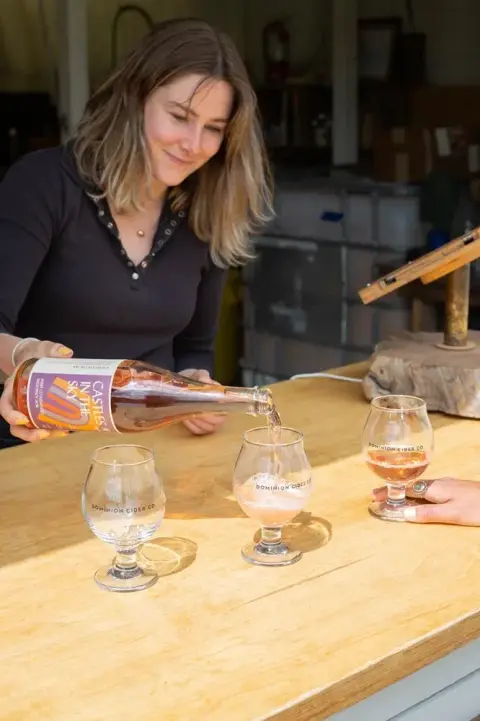
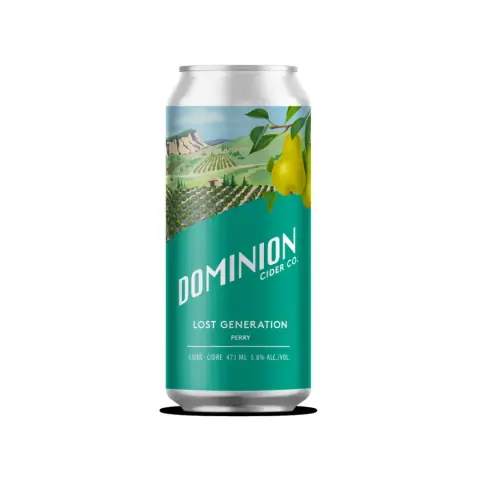
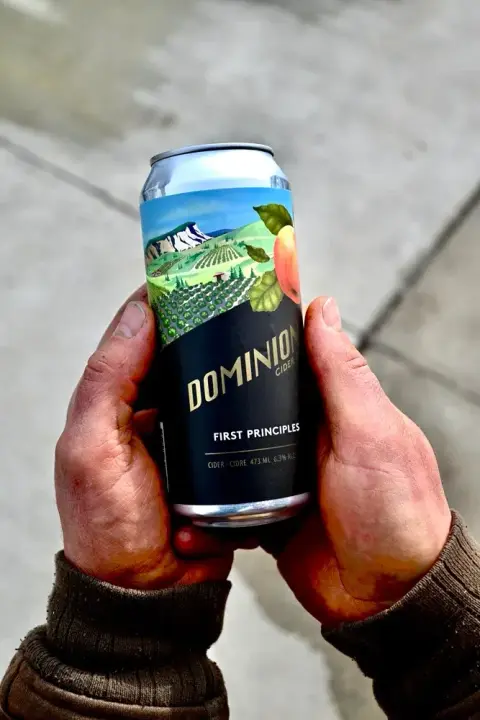
Dominion makes wild-fermented, small-batch ciders in 473 ml cans, among them First Principles, a very dry cider from estate-grown English and French cider apples, Lost Generation, a dry perry from Summerland pears, and fruit ciders like Halcyon Days and Nom de Plume, plus experimental 750 ml bottles and kegs for bars.
Can no longer ship to the US since Sep 29, 2026HTS 2206.00.15 · Cider, fermented, whether still or sparkling · 50% since Aug 22, 2026
Dominion's packaged cider (HTS 2206.00.15, "Cider, fermented, whether still or sparkling") can no longer ship to the US: the US import ban on listed Canadian alcohol took effect September 29, 2026, after a 50% Section 338 duty from August 22, 2026. Its Lost Generation perry sits on the same line. · whitehouse.gov, Sep 8, 2026
3.LCBO to stop selling U.S. products in response to U.S. tariffs on Canadian goods · Liquor Control Board of Ontario, Mar 4, 2025the government of Ontario has directed LCBO to take operational steps to implement restrictions on all U.S. beverage alcohol sales and related imports into Ontario, effective immediately. · read 2026-09-09
4.Withdrawal of U.S. Products from the SAQ · Société des alcools du Québec, Mar 4, 2025At the Quebec government's request, we are removing all U.S. products from our store shelves and from the SAQ.COM website starting today. · read 2026-09-09
7.Proclamation 11046 of July 20, 2026 (91 FR 46639) · Federal Register via GovInfo, Jul 23, 2026For example, on March 4, 2025, the Liquor Control Board of Ontario (LCBO) ceased purchasing all U.S. products and canceled existing orders where contractually possible; removed all U.S. products from wholesale product catalogues and retail eCommerce sites; and removed all U.S. products from LCBO retail stores and outlets. · read 2026-09-29
13.Control and sale of alcoholic beverages and cannabis, year ending March 31, 2025 · Statistics Canada, The Daily, Mar 5, 2026In 2024/2025, Canada imported $1.0 billion of alcoholic beverages from the United States, down 5.4% from the previous fiscal year. During the same period, exports to the United States totalled $1.4 billion, up 4.1% year over year. · read 2026-09-29
15.PM asks provinces to stock U.S. alcohol · Global News (The Canadian Press), Aug 19, 2026 · NewsNova Scotia Premier Tim Houston says Prime Minister Mark Carney has asked provinces to restock American alcohol on their shelves as Canada finalizes a trade deal with the U.S. · read 2026-09-29
19.Saskatchewan Responds to United States Trade Measures with Levy on American Alcohol · Government of Saskatchewan, Aug 27, 2026In response to the 50 per cent tariff on Canadian alcohol the United States of America (USA) enacted on August 22nd, Saskatchewan will reciprocate with a 50 per cent levy on USA alcohol imported into Saskatchewan, effective September 8th. · read 2026-09-29
22.Fact Sheet: President Trump Responds to Canada's Retaliation · The White House, Sep 8, 2026Canada imposed new retaliatory tariffs on about $20 billion of U.S. exports, including steel, dairy, and agricultural equipment. · read 2026-09-09
24.Trump says Canada 'entitled' as his trade ban on alcohol, other goods nears · Global News (Ariel Rabinovitch), Sep 28, 2026 · NewsSpirits Canada said about half of the nearly $2 billion in product its industry produces annually is shipped to the U.S., and last year, 93 per cent of all exported spirits was headed to the U.S. · read 2026-09-29
25.Toasts Not Tariffs Coalition Statement as U.S. Ban on Canadian Spirits and Wine Takes Effect · Distilled Spirits Council of the United States, Sep 29, 2026 · SecondaryThe best outcome remains a negotiated solution that gets American spirits and wine products back on Canadian shelves, preserves consumer choice for consumers on both sides of the border · read 2026-09-29
28.Ending Certain Tariff Actions (Executive Order 14389) · The White House, Feb 20, 2026The additional ad valorem duties imposed pursuant to IEEPA in Executive Order 14193, as amended...shall no longer be in effect and, as soon as practicable, shall no longer be collected. · read 2026-09-09
Primary sources are the documents themselves: proclamations, orders, customs notices, statutes. Secondary sources are law-firm or encyclopedia summaries we used where the original could not be read directly.
Quotations are from the documents as published. Last reviewed against the sources on 2026-09-09.