Step one: 50% from August 22
Proclamation 11046, signed July 20, 2026 under Section 338 of the Tariff Act of 1930, added a duty of 50% to a list of Canadian goods from 12:01 a.m. eastern on August 19.1 A three-day suspension for talks moved the start to August 22.2 CBP collected it under heading 9903.03.12.3
The list is wider than its title. Next to 51 chapter 22 lines, from beer and sparkling wine to rye whisky, gin and bitters, the same heading carried hockey sticks, wood and paper, and from September 15 cheese, furskins and motorboats.4,5 The 50% was added to the normal rate, which for Canadian drinks under CUSMA was zero.
September 15: two bulk lines come off
Proclamation 11064, signed with the ban, took whisky and liqueurs in containers over 4 litres off the list.6,5 CBP now lists the whisky and liqueur lines by their ten-digit breakouts, the rest of which kept the 50%.7,8 That small change matters later: a tote of bulk whisky for bottling in the United States paid no Section 338 duty from that day, and the ban does not name it.9,10
Step two: excluded from importation
Section 338 has a second, harder power. If a country maintained or increased
its discrimination after a duty, the President may direct that its goods be excluded from importation
.11 It had never been used. Proclamation 11061, signed September 8, uses it:
certain alcoholic beverages that are products of Canada, as set forth in the Annex to this proclamation, are excluded from importation into the United States, effective with respect to goods imported on or after 12:01 a.m. eastern time on September 29, 2026.
12
CBP’s guidance of September 28 spells out what excluded means at the border:
Exclusion from importation precludes covered products from admission into a Foreign Trade Zone or bonded warehouse, in-bond transportation, and entry for consumption. As of 12:01 a.m. Eastern Time on September 29, 2026, any entry containing covered products will be unconditionally rejected by U.S. Customs and Border Protection (CBP).
13
No new tariff heading was created; the customs system simply refuses the code for goods of Canadian origin. Entries already filed but not released were cancelled at midnight.13
What is covered
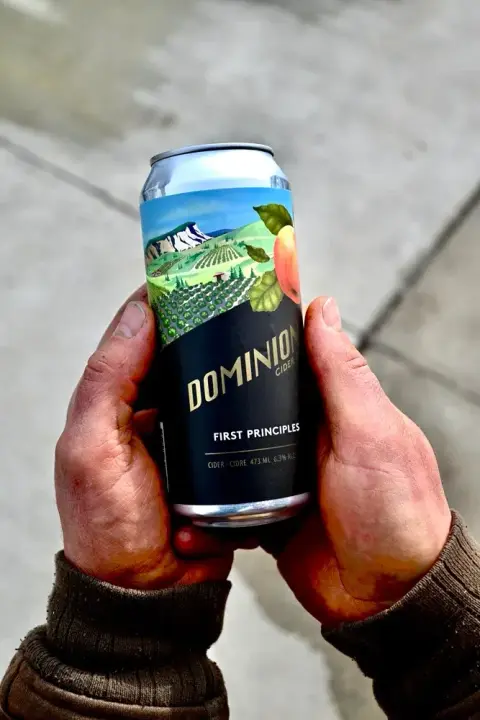
The annex lists 53 codes under headings 2203 to 2208, which fall on 49 of the lines in our list: beer; sparkling and still grape wine in every size; vermouth; cider, mead, fruit wine and other fermented drinks; undenatured ethyl alcohol of 80% or more; and brandy, whisky, rum, gin, vodka, liqueurs, bitters, tequila, mezcal and other spirits.9
On 28 of those codes, mostly the bulk sizes, the annex adds a scope limitation: the ban covers only alcohol products that are packaged in bottles, cans, boxes, kegs, or other similar direct-to-consumption containers
. What is shipped in bulk on those lines is not banned and pays the 50%.9,13 Non-alcoholic beer is on the separate dairy annex and is banned too.14 Every code, with its size and scope, is on the lines page.
Why CUSMA does not help
Most Canadian goods that meet the trade agreement’s origin rules still cross duty-free. These do not. The Section 338 proclamations apply to the listed products of Canada whether or not they qualify, and the ban proclamation makes no exception for them; nor does it mention travellers, personal imports or small parcels, and the US small-parcel exemption ended for every country in 2025.1,12,15
Goods already on the road
The ban turns on the moment of import, not of paperwork. The proclamation’s only transition rule:
Products that will be subject to the import ban in this proclamation that were imported, but not yet entered for consumption, or withdrawn from warehouse for consumption, prior to September 29, 2026, will remain subject to the 50 percent duty rate established by Proclamation 11046.
12
So a pallet that crossed on September 28 can still be cleared and sold, at 50%, including stock already sitting in a bonded warehouse or foreign trade zone. A truck that reached the border after midnight is refused.13 Producers raced the deadline: Moosehead Breweries told CNN it paid rush fees and diesel surcharges to get shipments across.10 Vermont’s liquor agency said it held over 10,000 cases of Canadian products when the ban began.16
The dates
We are not customs brokers or lawyers. If you export, confirm with CBP or a broker. Last reviewed against the sources on 2026-09-09.